
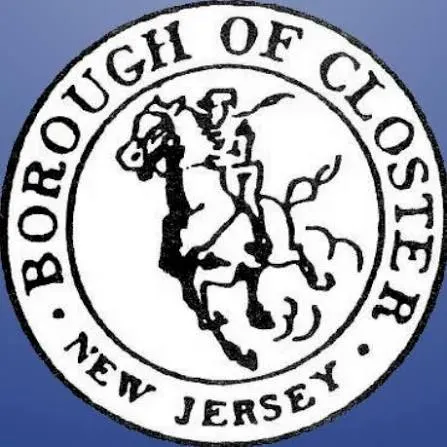
He Rode to Save The Country
On the morning of November 20, 1776, Generals Nathanael Greene and George
Washington narrowly evaded British capture in Fort Lee after a horseman warned of the
approaching redcoats. Known today simply as the Closter Horseman – after his hometown in
New Jersey – the true identity of this figure remains a mystery. Nevertheless, his pivotal role in
rescuing Washington during British capture, four months after the Declaration was signed, has
enshrined him as a local hero. This paper treats the Closter Horseman as a local case study to
explore the memory and mythologization of the American Revolution. Most interesting of all is
how he is remembered: a shift from his depiction as an officer to his later portrayal as a
countryman, farmer, and ultimately, a farmer from Closter. No consensus on his identity exists.
These shifts reflect how changing political situations affect historical memory, from the need to
legitimize the revolution, the importance of the common man, and small-town resilience
amidst suburbanization. This paper contributes to the growing literature on historical memory
and mythologization and its intersection with political needs, using the Horseman as a case
study